新模式可能有助于预测偏头痛和光环的成人中风风险
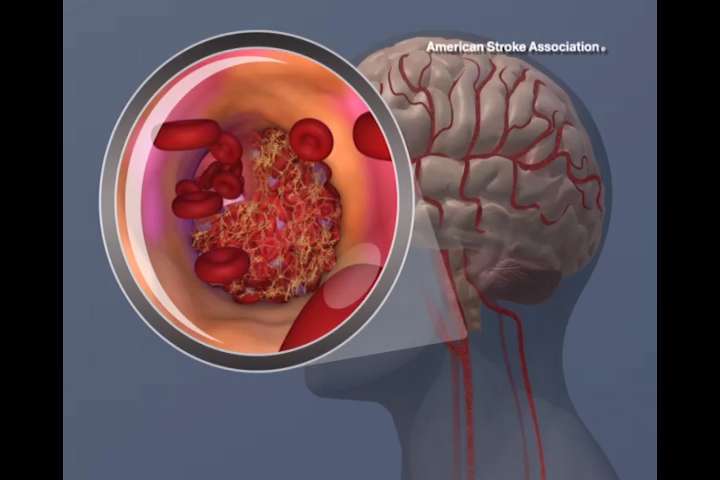
研究人员已经开发出简单的风险评分预测模型,帮助确定经历偏头痛的成年人的中风风险,据美国中风协会的国际笔画会议初步研究,据初步研究据初步研究。19-21在洛杉矶,一个世界首屈一大门的研究人员和临床医生,致力于中风和脑健康的科学。
有些人患有偏头痛的经历神经系统症状影响视力的(视觉先兆),如闪光、盲点或手或脸刺痛。在成年人中,症状通常发生在头痛之前年轻的女人偏头痛的风险较高。
“患有光环偏头痛的人正在增加风险缺血性中风," said Souvik Sen, M.D., M.P.H., study co-author, and professor and chair of the neurology department at the University of South Carolina School of Medicine in Columbia, South Carolina. "With our new risk-prediction tool, we could start identifying those at higher risk, treat their风险因素降低他们的风险中风。"
Researchers reviewed data from the Atherosclerosis Risk in Communities Cohort (ARIC), a community-based group of people from four U.S. localities (Forsyth County, North Carolina; Jackson, Mississippi; Washington County, Maryland; and suburbs of Minneapolis, Minnesota) who have been followed since 1987. They evaluated the data of 429 adults (mostly women) with a history of migraine with aura who were in their 50s at the first visit. By the end of the study, participants were in their 70s.
他们确定了中风的5个危险因素,并创建了一个预测模型,每个因素按其影响程度分配若干点:糖尿病(7分)、年龄大于65岁(5分)、心率变异性(3分)、高血压(3分)和性别(1分)。由于研究小组中男性人数很少,而偏头痛主要影响女性,因此女性得分增加的较少。计算完每个人的得分后,研究人员将参与者分为三组:低风险(0到4分)、中等风险(5到10分)和高风险(11到21分)。
研究人员发现:
- 在平均18年的随访中,32人经历了中风。
- 18年后,低风险组中有3%的人中风,中等风险组中有8%,高风险组中有34%。
- 与低风险组相比,偏头痛有先兆症状的高危人群中风的几率是正常人的7倍。
据研究人员称,新的风险预测工具在临床应用之前需要在更大的人群中进行验证。
进一步探索


用户评论